 Sandhills Equestrian Directory
Sandhills Equestrian Directory
Sandhills Equestrian Directory
A winter colony, a racing town, the eventers, and the trust that keeps 4,000 acres open.
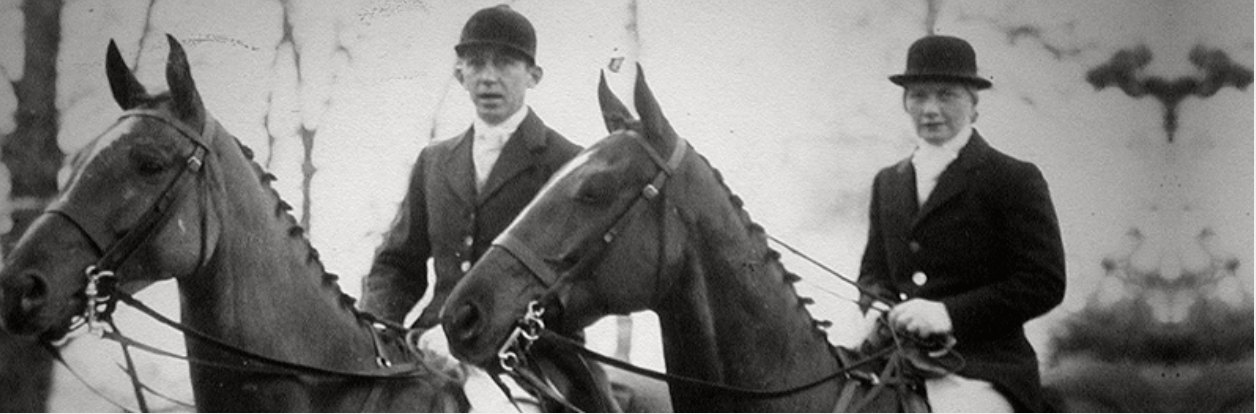
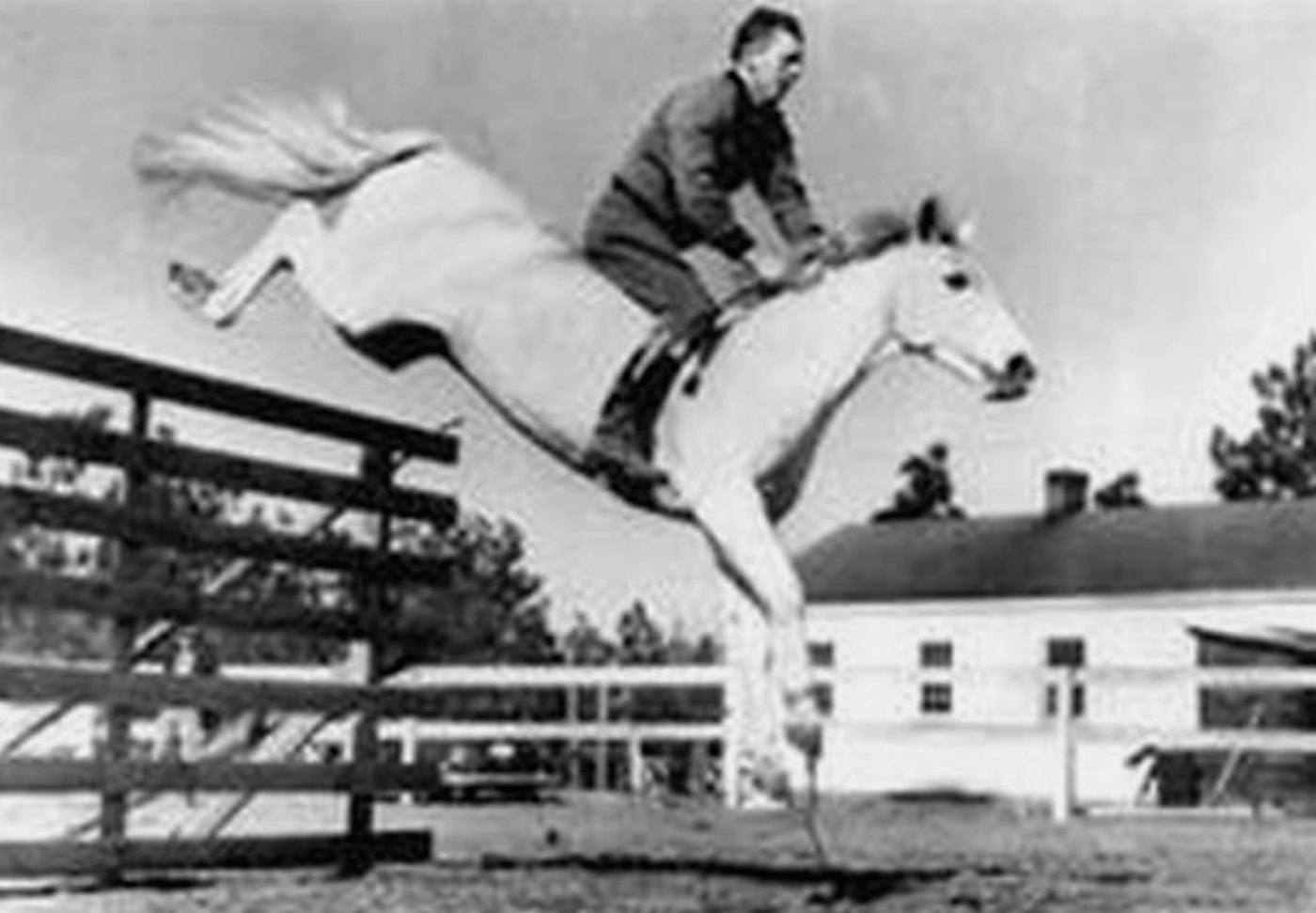
It started as a winter colony. Around the turn of the last century, wealthy Northerners came south for the mild weather and the sand, which meant horses could work all winter on ground that never froze or bogged. The Boyd family built Weymouth on the edge of town and kept a pack of hounds; a few miles north the Rockefellers built Overhills, a private hunt club with stables, kennels, polo and a Donald Ross golf course, now part of Fort Bragg. By the 1920s, Southern Pines was known.
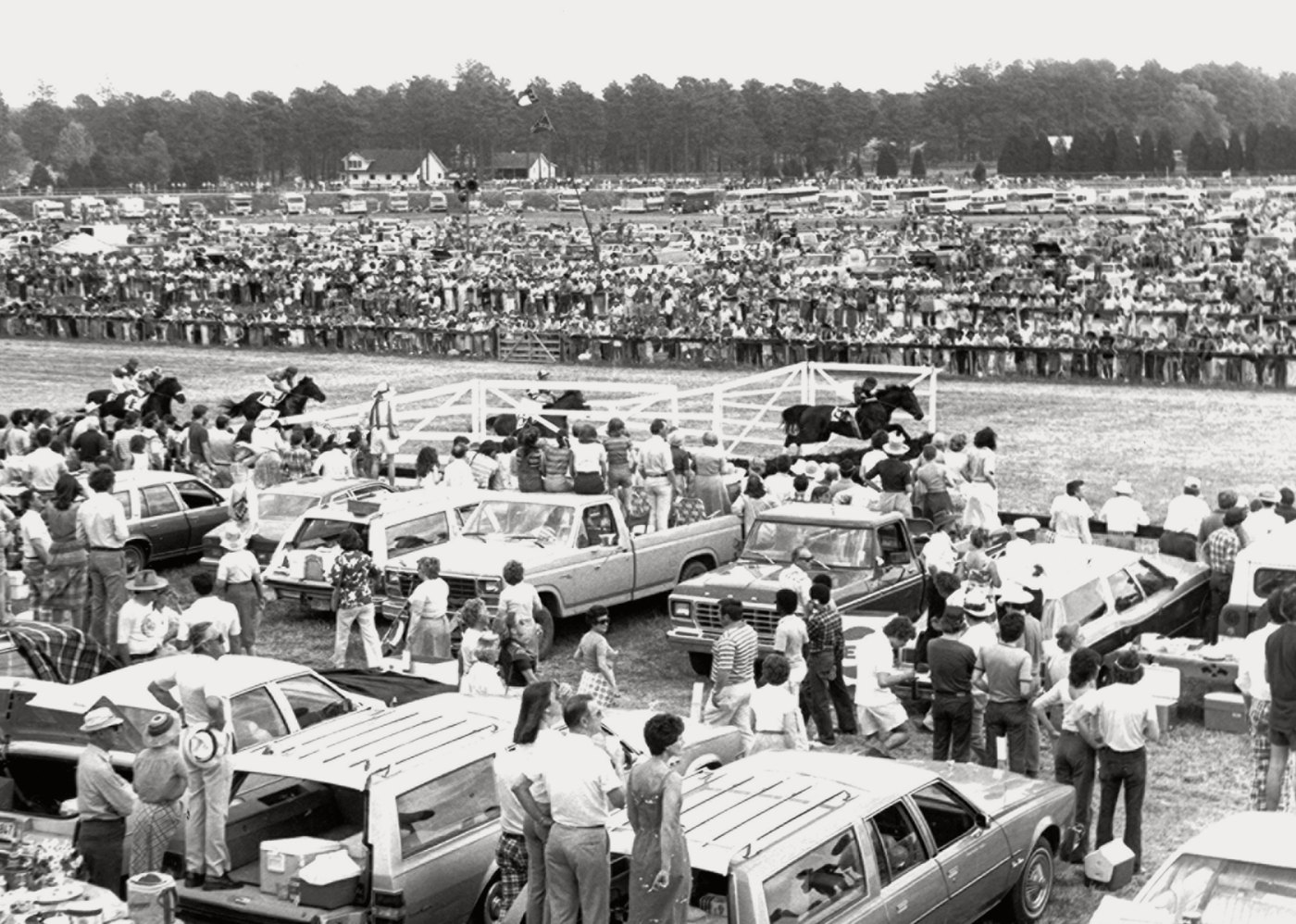
The racing people followed. The Pinehurst Harness Track, opened in 1915, became a winter training ground for Standardbreds and still is. Steeplechase trainers and jockeys settled in too: Mickey Walsh, a Hall of Fame trainer, founded the Stoneybrook Steeplechase here in 1949, and Dooley Adams, seven‑time national champion jump jockey, made Southern Pines his home. For decades the sand roads and open fields were a winter training ground for racehorses as well as hunters.
Then the eventers arrived. Olympian J. Michael Plumb, Denny Emerson and other internationally known event riders made Southern Pines home over time; students and clients followed, and in the late 1990s that community built the Carolina Horse Park, which now runs a full calendar and one of the country's top spring internationals. Pappy and Ginnie Moss, meanwhile, put 1,700 acres into a charitable trust in 1974 so the riding land would never be developed. That trust grew into the Walthour‑Moss Foundation, and it's the reason a rider today can still hack from the barn onto thousands of open acres.